A Quick Guide for Confused Divers
Divers love nudibranchs, but many reef flatworms imitate them so well that even experienced divers sometimes confuse the two. Bright colours, elegant shapes, fancy rhinophores — tiny underwater fashion models that politely inform predators: “Don’t even think about it. I’m toxic.”
But reefs are full of opportunists.
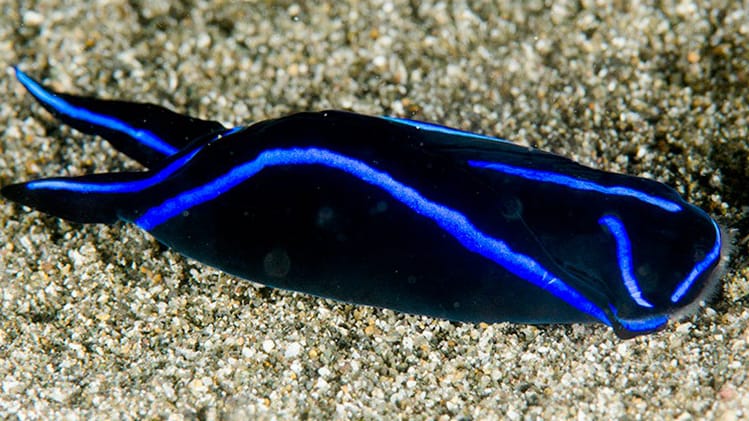
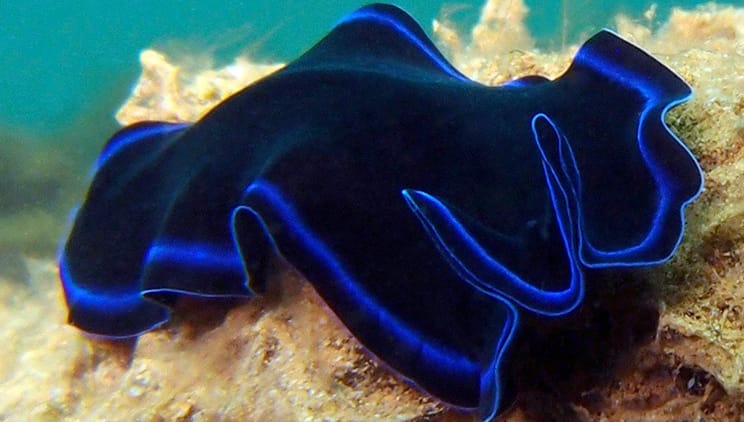
Why Flatworms Imitate Nudibranchs
Flatworms figured out long ago that producing your own chemical weapons is hard work. Instead, many species simply copy the look of toxic nudibranchs and enjoy the same reputation. Free protection, no chemistry required. Evolution would definitely approve.
The reef is full of flatworm impostors. Some mimic nudibranchs, others resemble small sole-like fishes, tunicates, or even drifting comb jellies. But here we’ll focus on the classic scam: nudibranch look-alikes.
So how can you tell them apart underwater?
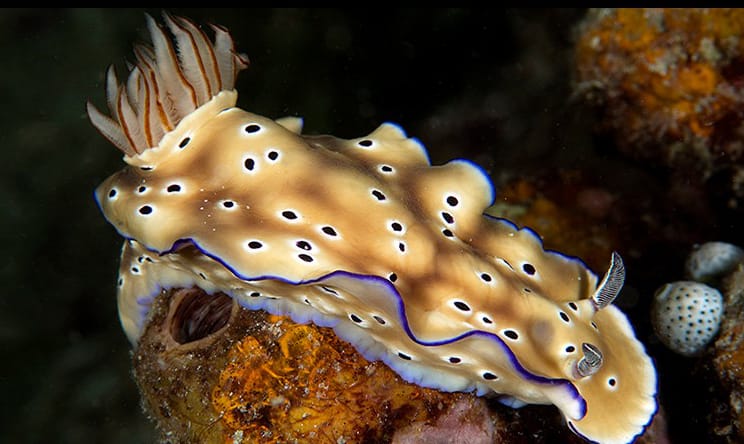
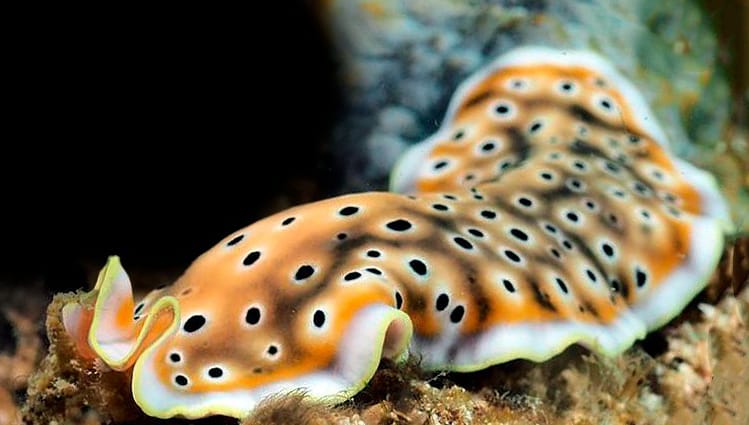
Do Rhinophores Always Work as a Clue?
The first thing divers usually look for is rhinophores — the small sensory “antennae” on a nudibranch’s head. In many species they stand out clearly and are hard to miss.
Flatworms don’t have true rhinophores.
But of course nature rarely follows simple rules. Some flatworms — especially in the Acotylea group — grow tentacles that look surprisingly similar. So the famous “look for the rhinophores” rule sometimes works… and sometimes fails completely.
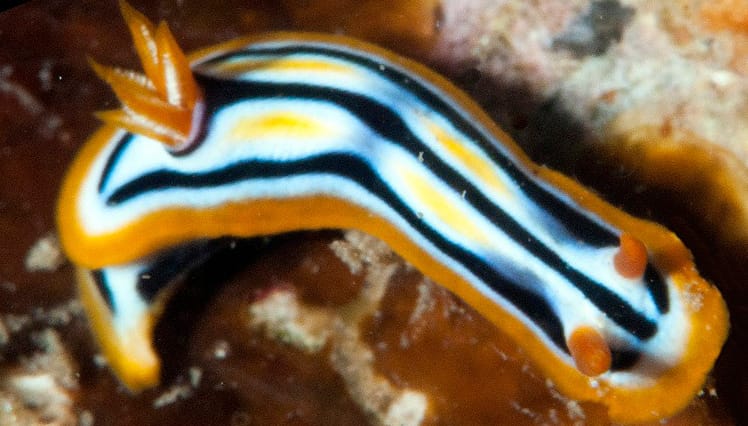
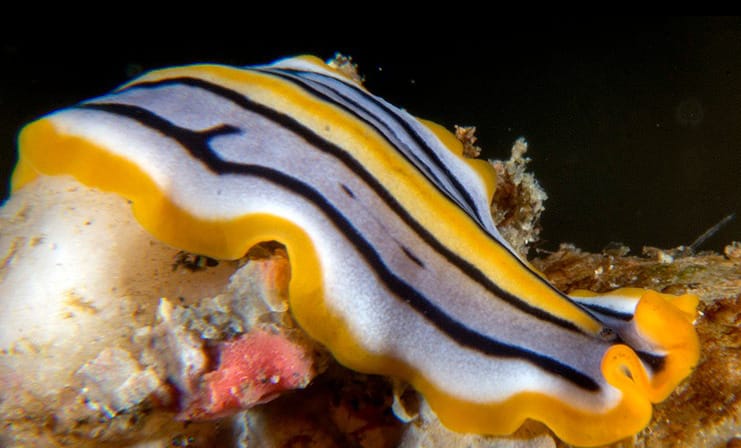
What About Dorsal Gills?
Another feature divers often look for is the dorsal gills carried by many nudibranchs on their back. But here again there are exceptions. In several groups the gills are hidden under the mantle, so they may not be visible at all.
In practice, identification usually relies on a combination of small clues — head structures, overall body shape, surface texture, and sometimes simply experience. After a while the brain begins to recognize the patterns.
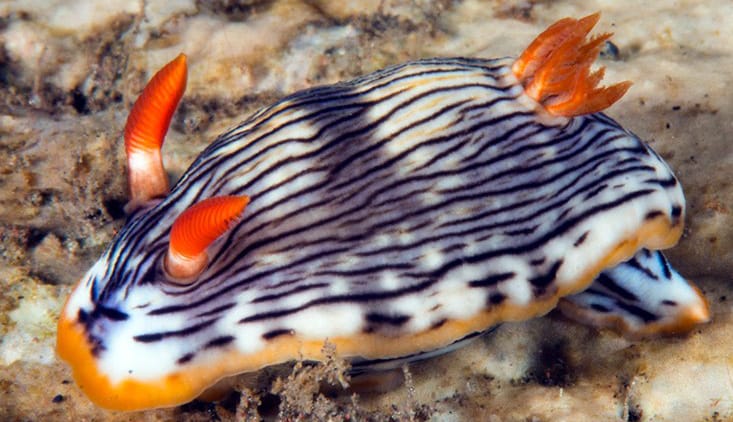
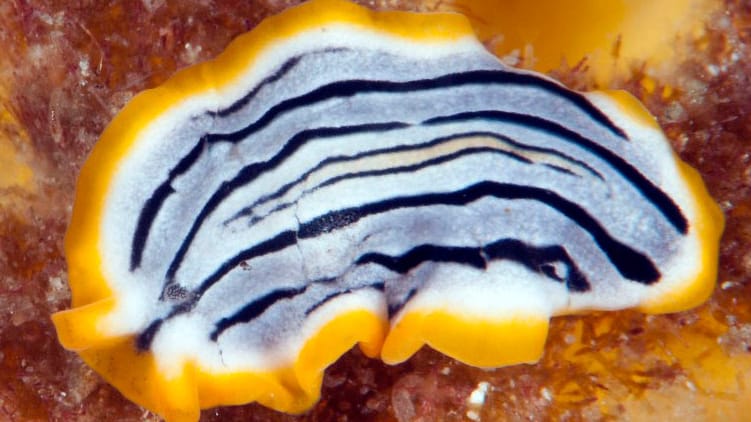
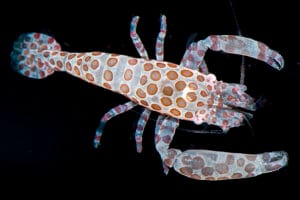
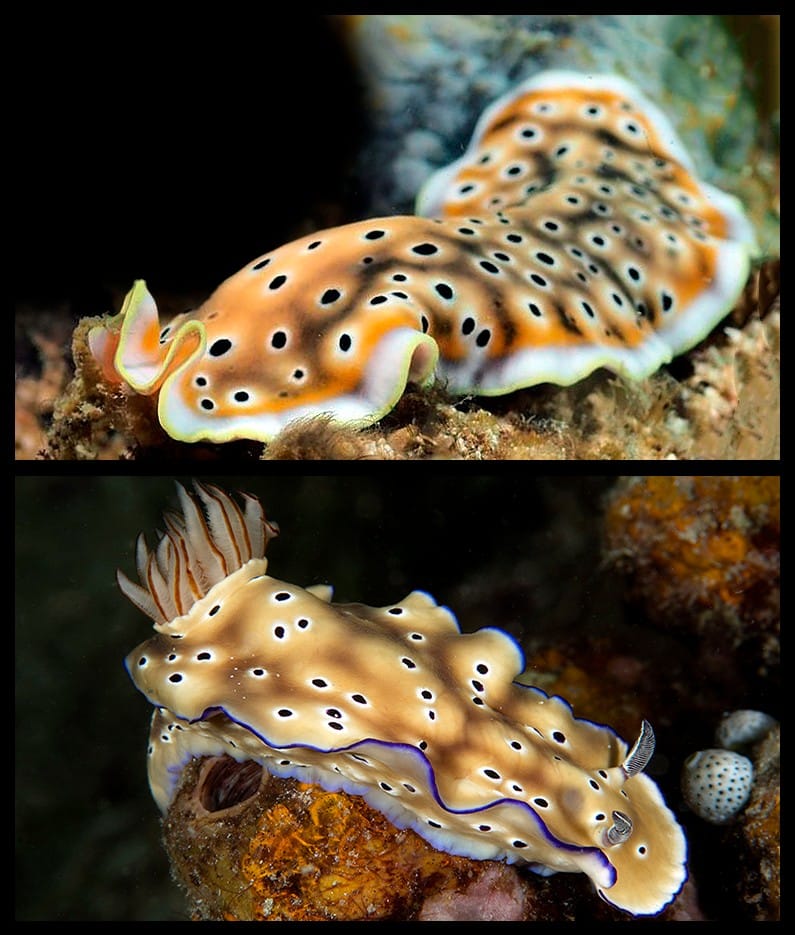
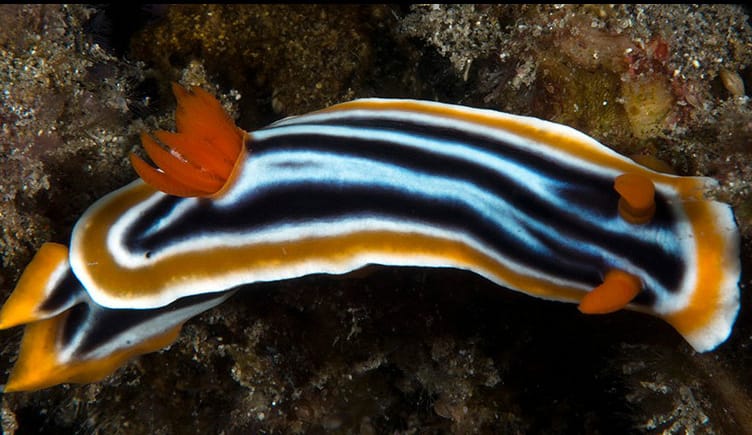
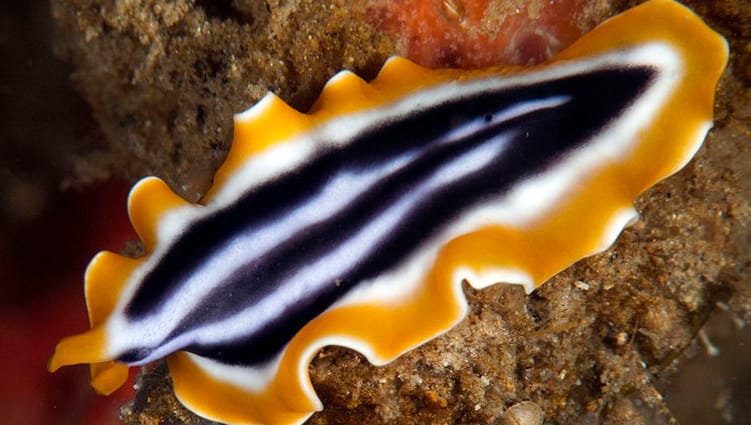
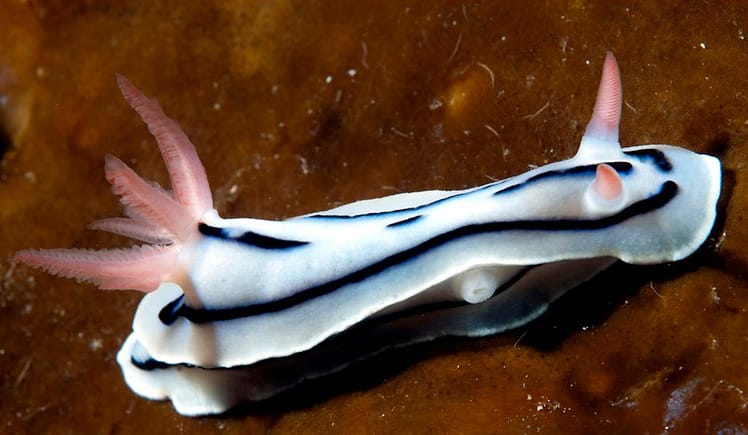
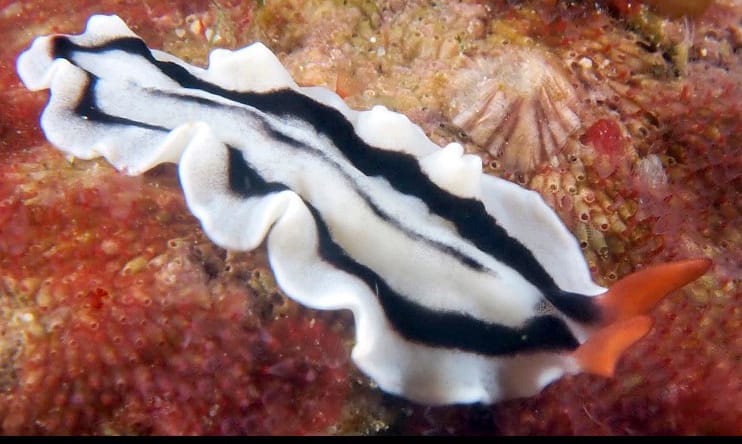
In the photos in the article, each pair shows a flatworm and the nudibranch it imitates.
Species names are listed in the captions.

If you enjoy this kind of underwater detective work, you’ll find many more strange and beautiful flatworms in the book Marine Flatworms of the Tropical Indo-Pacific, part of the Reef ID Books series.